
With seven minutes to go in the third quarter of Super Bowl LII, Philadelphia Eagles quarterback Nick Foles threw a 22-yard touchdown pass to running back Corey Clement. The touchdown gave the Eagles a commanding 29-19 lead. But replay showed that Clement was bobbling the ball when he originally got both feet down in the end zone. By the time he secured the ball, his left foot was clearly out of bounds.

However, after reviewing the play, the referees allowed the touchdown to stand, prompting confusion among the broadcasters covering the game. When the touchdown was not overturned, NBC analyst Cris Collinsworth simply said, “I give up!” The touchdown was a critical play in Philadelphia’s eventual eight-point victory over the Patriots.
Just think about how important boundaries are to the game of football.
Boundaries bring clarity. They determine the field of play and the code of conduct. Boundaries define certain actions as “out of bounds” and unacceptable.
Boundaries also bring order. Imagine playing a football game with no boundaries. It would be absolute chaos!
And it’s not just football. Boundaries operate in the same way in our lives in general.
This week, I began a new sermon series called Boundaries: Setting Healthy Limits. Over the next few weeks, I’ll be writing about the importance of setting good boundaries in our lives. Doing so helps you know your own limitations. Healthy boundaries help us to define our responsibilities apart from someone else’s. A good boundary also helps you know when someone else’s behavior is out of bounds.
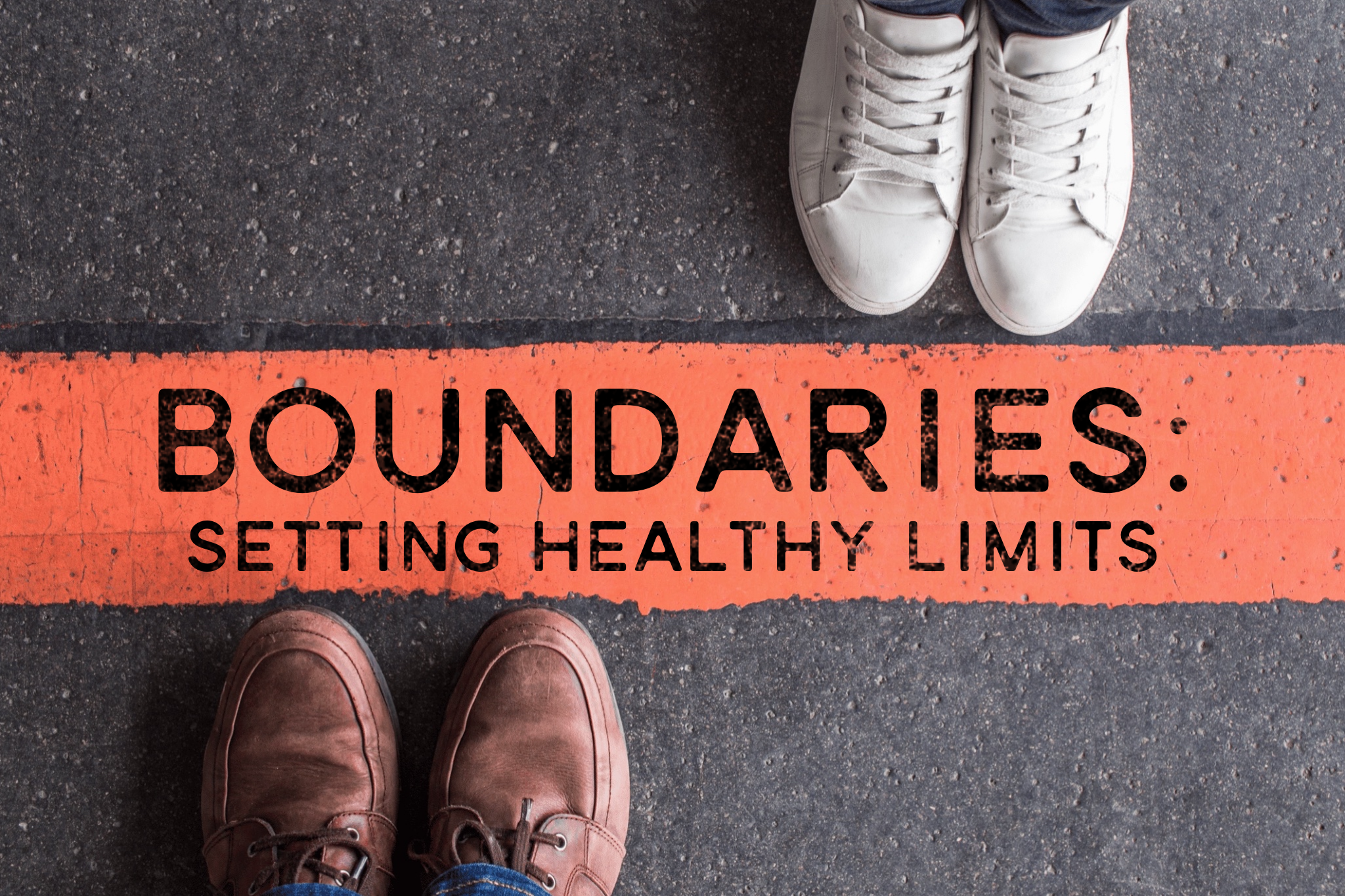
Do you have a hard time speaking up for yourself?
Do you feel the need to please everyone?
Do you say Yes to everyone without even thinking about how you really feel about their request?
Do you feel guilty every time you try to say No?
Is your life really your life or is it controlled by someone else?
Do you feel as if people sometimes take advantage of your kindness?
Do you try to be everything to everyone?
Do you think that everyone’s need is yours to meet?
If so, then I think you’ll find this series to be incredibly helpful.
I’m basing this series on some material from the bestselling book by Dr. Henry Cloud and Dr. John Townsend. This book has helped millions of people develop healthier boundaries using biblical principles. I use this material all the time as I am counseling with people but also in my own relationships. Obviously, I think this material has a lot of potential to help us grow emotionally and relationally, which in turn will help us grow spiritually. That’s why I’m really excited about this series and I am asking you to be praying about it.
Over the next few weeks, I’ll be covering a lot of ground here on the blog. (If you want to listen to the corresponding sermons, you can listen here on the Mayfair YouTube page or here on Boxcast.) Here are a few of the topics we’ll be covering over the next few weeks:
- There are three biblical principles to keep in mind when it comes to developing healthy boundaries. Next week, we will look at the first of these: the principle of responsibility from Galatians 6.
- The following Sunday, Sept. 15, we will look at the second principle for developing healthy boundaries: the principle of reaping.
- On Sept. 22, we’ll look at the final principle: the principle of respect. I really think these three principles hold some life-changing wisdom and I’m praying that God will use this part of our study to help us in our relationships.
- On Sept. 29, we will focus on setting healthy boundaries for ourselves.
- In October, we will turn our attention toward setting healthy boundaries in some specific relationships. On Oct. 6, we will talk about boundaries in our families.
- On Oct. 13, we will discuss boundaries in parenting.
- And on Oct. 20 and 27, we will close out this series by talking about boundaries in marriage.
I’m asking you to be praying about this series. My hope is that this practical, biblical wisdom will help us have healthier relationships across the board.
For the rest of this week, I simply want to focus on one idea: boundaries are biblical. I’ll be writing more about this throughout the rest of this week.
 already & not yet