
This picture is a bit blurry, so you might not be able to see it clearly, but that’s 5:26.41 — a new PR!

This picture is a bit blurry, so you might not be able to see it clearly, but that’s 5:26.41 — a new PR!
It’s really easy to confuse joy and happiness. But there are actually some important differences between the two. There’s really not a lot in the Bible about happiness, which is kind of surprising given how the pursuit of happiness seems to be the driving force in many people’s lives today. But the biblical writers focus more on joy.
One reason for this is because happiness is an emotion, whereas joy is an attitude or a disposition. I asked my co-worker, Doug Smith, about this since he’s a licensed marriage and family therapist. Doug gave me some great insight on the difference between happiness and joy. He said, “Happiness is an emotional response we naturally experience when things go our way. But joy is an attitude that can be placed alongside any emotional response.”
That means that happiness has more to do with our circumstances. You do well on a job interview or a chemistry test; your favorite team wins the game. These good outcomes make us happy. But joy runs deeper because it isn’t based on our circumstances. Joy is a mindset that is constant, even if you bomb the job interview or the chemistry test. Those things won’t make you happy — not at all. But we can choose to have a joyful mindset no matter what happens. That choice is ever before us.
And according to our key text for this week, that’s one of the biblical keys for overcoming anxiety.
Philippians 4 says, Rejoice in the Lord always. I will say it again: Rejoice! God’s prescription for anxiety treatment begins with a double dose of choosing joy. Think about it: God wouldn’t tell us to do something if we were incapable of making the choice to obey. So this means that in any situation, we can choose the way of joy. You find this message repeated elsewhere in the scriptures:
We’re not told to be happy in these circumstances, only that we are to be joyful.
And the source of our joy is key — Paul says, Rejoice in the Lord. That’s a command that is found eleven times in the Old Testament and Paul repeats it here in Philippians. To rejoice in the Lord is to joyfully trust Him even when fear is doing its worst in us. When it feels as if anxiety is choking us to death, THAT is the moment for doubling down on the promises of God. Greek scholars note that Paul is essentially saying, “continually, habitually rejoice in the Lord.” Paul is telling us we need to make a habit of intentionally choosing joy — of rejoicing in the Lord when our anxiety peaks.
So when you feel that anxiety threatening to choke you, choose to rejoice in the Lord. If things are spinning out of control, try telling yourself, “So what; I have Jesus.” And see if that helps with your anxiety.
Paul says, Be anxious for nothing. And in the next breath, he’s talking about prayer. That tells me that prayer is one of the keys for overcoming anxiety.
According to the New International Greek Testament Commentary, this verse could literally be translated: Stop worrying and start praying. Pretty good advice. Prayer is simply another way of expressing our trust in God. I think that explains the biblical emphasis on praying in all circumstances.
In Ephesians 6:18, Paul writes, And pray in the Spirit on all occasions with all kinds of prayers and requests. With this in mind, be alert and always keep on praying for all the Lord’s people. This passage occurs in the context of Paul’s teaching about spiritual warfare, which is why this same verse is translated this way in The Message: Prayer is essential in this ongoing warfare. Pray hard and long. Pray for your brothers and sisters.
Here we see the wisdom of God at work. God’s prescription against anxiety includes the intentional habit of prayer.
Doug tells me that a lot of research in the counseling world is now affirming some of the same things we find throughout God’s Word: the importance of finding your meaning in a story that’s greater than yourself; the efficacy of practices like fasting and expressing gratitude — which is essentially prayer. But biblical teaching shows us that prayer is much more than simply a therapeutic remedy. In Ephesians 6, it’s an act of spiritual warfare. Prayer is a weapon God gives us battle our anxieties.
Prayer is the most reliable path to peace. In my life, that’s been true. When I feel anxiety coming on strong, nothing brings peace to my anxious heart like time spent in prayer with the Lord. As we’ve said, it’s those times when things feel as if they’re spinning out of control that our anxiety is at its worst. But that time in prayer helps remind me that God is in control. You know, God is great at crisis management. He’s far better at it than I am. And prayer is just a simple reminder of that.
Our passage today stresses the link between prayer and peace. When we stop worrying and start praying, it says that the peace of God will guard our hearts and minds in Christ.
I want you to picture yourself when anxiety is doing its worst in you. Maybe you have a short fuse when this happens or you tend to medicate your stress with overeating or TV binges or something else. Your mind is always divided between what you’re supposed to be doing and the worry that overwhelms you. Your thoughts are constantly fixated on the “What if” scenarios that enslave you to fear. You’re fidgety, you’re exhausted, you’re not sleeping well — whatever that looks like for you, picture it. Hold that image in your mind for a moment.
And then I want you to try and picture a different version of yourself — one that is completely at peace. Instead of expending so much energy worrying about everything, this version of yourself is the most secure person in the room because the peace of God has flooded your heart and your soul. You can breathe deeply; you rest at night in the trusting knowledge that God is in control. You no longer feel the need to be in control all the time. When you feel anxiety bubbling up, you pause and you pray and you experience true joy — because you know that God is truly sovereign.
Doesn’t that sound like a better way to live?
Is it possible that God could transform you into this more peaceful version of yourself by setting you free from the bondage of anxiety?
Could it be that at least some of your anxiety is rooted in something that you need to turn over to the Lord? Are you tired of trying to be in control all the time? Doesn’t it sound liberating to think about turning those concerns and worries over to the One who can truly manage them all?
The way of King Jesus is truly the good life. That’s what it means to be anxious for nothing.
One of the most frequently read passages in the Bible deals with anxiety:
Rejoice in the Lord always. Again I will say, rejoice! Let your gentleness be known to all men. The Lord is at hand. Be anxious for nothing, but in everything by prayer and supplication, with thanksgiving, let your requests be made known to God; and the peace of God, which surpasses all understanding, will guard your hearts and minds through Christ Jesus.
Philippians 4:4-7, NKJV
Amazon tracks the verses that readers highlight using their Kindle reading app. According to Amazon, Philippians 4:6-7 is the most highlighted verse in the Bible. I think that’s because we have so many reasons to be anxious these days. When we open our Bibles, we have all of these worries and stresses that we’re carrying with us, so we go to God’s Word looking for some guidance. Philippians 4:6-7 is the most highlighted verse because it is God’s definitive word on dealing with anxiety and worry. According to this scripture, God can take us right where we are — with all of our anxieties and worries — and He can lead us to peace, God’s peace that passes understanding. That sounds like really good news to me!
I think it’s important to point out that the Bible never promises a completely anxiety-free life. That’s not what Paul is getting at in Philippians 4. Paul knows as well as anyone that life is filled with stress and worry and concerns — all of which produces some level of anxiety within us. Jesus himself said, In this world, you will have trouble (John 16:33). So a 100% worry-free, trouble-free life is NOT what we’re talking about here.
When Paul says, Be anxious for nothing, he’s saying, “Don’t be controlled by your anxiety.” He’s talking about anxiety that is chronic and perpetual. It’s the kind of anxiety that impairs our ability to function. That kind of anxiety is not what God wants for us — which is why God gives us some instruction on how we can overcome anxiety and keep it from controlling our lives.
I am so grateful for the resources we have for treating chronic anxiety. If you’re dealing with persistent anxiety, I think it’s really important to talk to your doctor or a therapist. There is absolutely no shame in talking to a health-care professional or utilizing some medication for your anxiety. It doesn’t make you less of a Christian. I think these are great resources for helping us to find greater mental and emotional health.
But it would also be incorrect to imply that anxiety is ONLY mental and emotional issue. No, there is a spiritual component to anxiety as well, which is important for us to recognize in order to treat anxiety holistically. And we find some wonderful spiritual guidance for dealing with our anxiety in our passage today.
For many of us, anxiety begins to mount when we feel as if our circumstances are spinning out of control. That’s the worst feeling in the world; some of you know what I’m talking about because you’re living through that kind of anxiety right now. But there is some good news in this scripture. God tells us that there are some choices we can make whenever we are feeling anxious. And there is real power at work whenever we make these choices.
Even when things feel like they’re spinning out of control, we can always choose two things:
These two choices are part of the biblical prescription against anxiety. We can take action against our anxiety when we choose joy and when we choose prayer.
According to a recent study, Americans are the most anxious people in the world. Research that was conducted across fourteen different nations revealed that Americans were significantly more anxious than people living in other countries. According to Google Trends, the number of web searches in this country that include the word “anxiety” has doubled in the last ten years. The National Institute of Mental Health estimates that in a given year, approximately fifty million Americans will feel the effects of a panic attack or another anxiety disorder. And this data was collected prior to COVID and all the turmoil of the past few years. With all that we have lived through since then, there’s good reason to assume that the numbers on panic attacks and anxiety are even higher today.
This is why we’re kicking off a new series at Mayfair this month entitled, Anxious for Nothing: Finding Calm in a Chaotic World. We want to spend some time reflecting on anxiety from a biblical perspective. When it comes to this topic, we really need some wisdom and guidance from the Lord.
Just take some personal inventor. What is the anxiety level in your life right now? On a scale of 1-10, what grade would you give your anxiety right now? I wonder how we would characterize our emotional state right now.
Everyone experiences anxiety. It’s not a disease or something that only impacts certain people. Anxiety is an automatic response to the circumstances of life and it can be found at every stage of life:
Everyone experiences anxiety to some degree and for some of us, it is a daily struggle. That’s why I believe it is important for us to talk openly about anxiety without making people feel shame. Anxiety is not necessarily caused by a lack of faith in God or a weak prayer life or a lack of Bible study. There may be times when our anxiety stems from these causes, but often times it just isn’t the case. You’re not a bad person or a bad Christian if you struggle with anxiety.
One of the root words for anxiety is a word that means “to squeeze tightly” or “to choke.” And that’s a good description for the way anxiety works. As you know, anxiety occurs when the stresses and circumstances of life threaten to choke the life out of us. Research has shown the link between anxiety and muscle tension When we go through some kind of anxiety-inducing event, we will often experience this physiologically in the form of tension in our neck and shoulders, sometimes a narrowing of our vision. And in some cases, we even feel this as a weight sitting on our chest. It all comes back to this idea that stress and anxiety are choking us, weighing heavily on us.
Everyone experiences anxiety. What differs is our response to it.
Here’s some good news: in God’s Word, the Lord has quite a bit to say about overcoming anxiety. Anxiety is nothing new; in fact, it’s been around for a long time. And thankfully, God’s Word is filled with wisdom on how to deal with it.
That’s the aim of this series — hearing godly wisdom for dealing with our anxiety.

Jackson competing in the 1600m before moving on to sectionals next weekend.
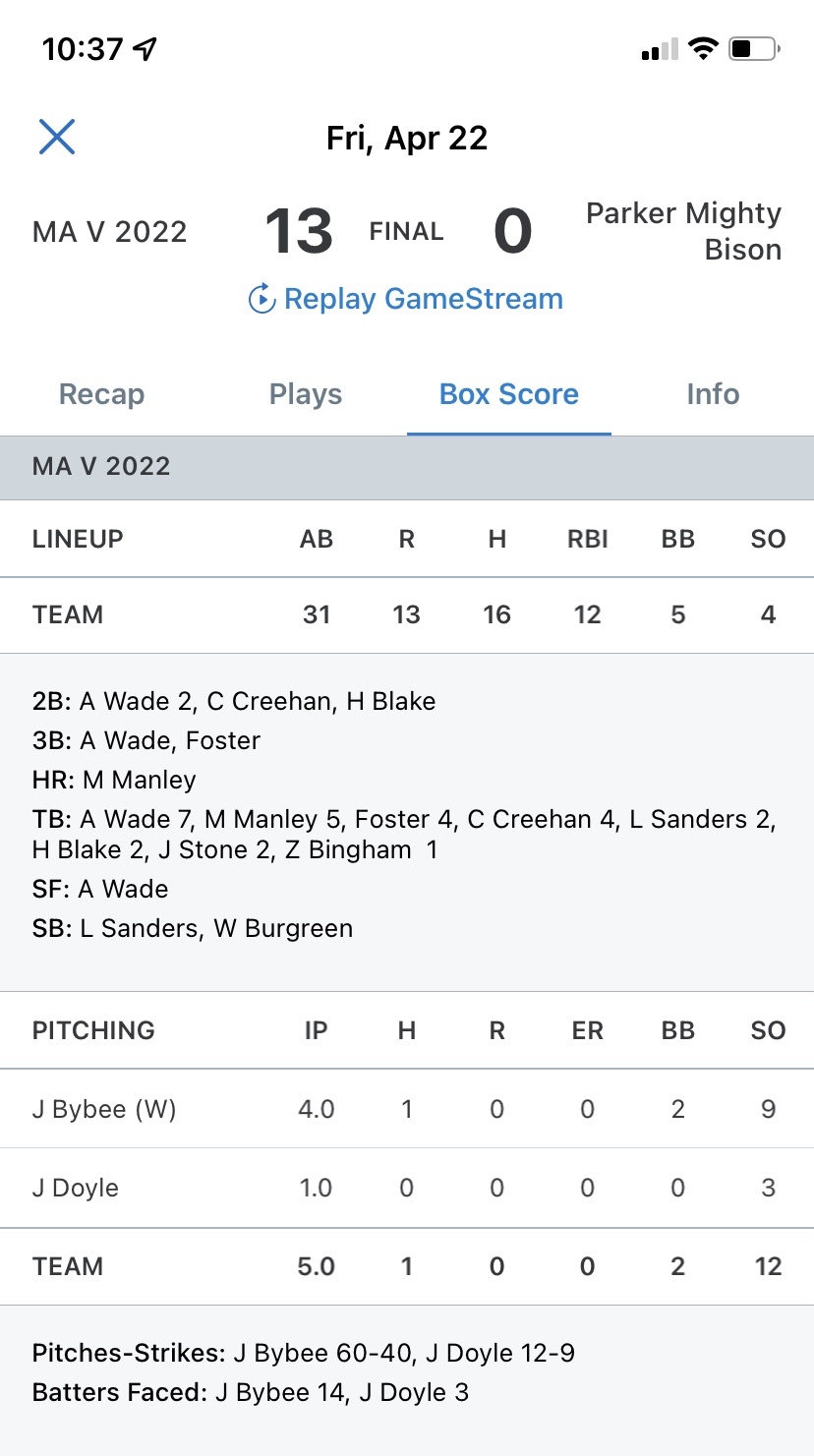
A one-hit shutout for my #32. My guy was bringing it on the mound tonight.
Look who’s on the bump for Game 2 of our opening round playoff series!

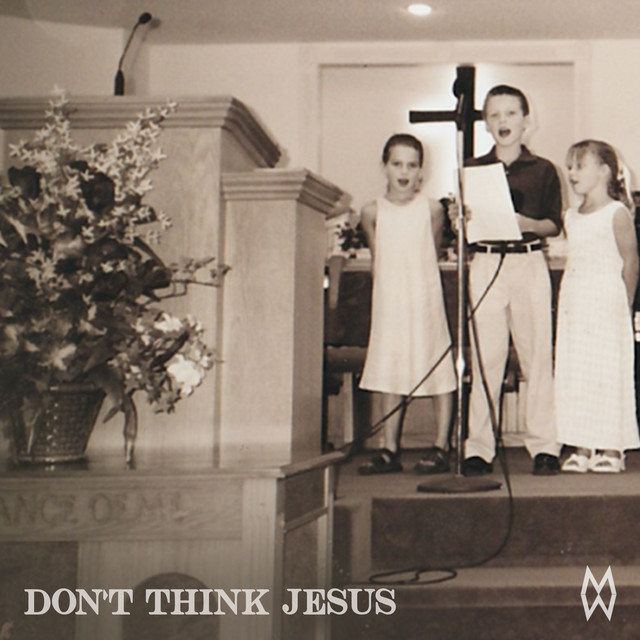
There may not be a more polarizing figure on the contemporary country music landscape than Morgan Wallen. On the heels of a few highly publicized violations of COVID restrictions throughout 2020, Wallen’s star fell even further in February 2021 when video surfaced of the country superstar using a racial slur in a drunken stupor. The reaction was swift: Wallen’s music was pulled from country radio and he was suspended by his record label. Wallen apologized, promised to work on himself, and retreated away from the spotlight for a time.
And yet, Wallen’s album Dangerous went on to become 2021’s best-selling album with streams in the hundreds of millions and the Billboard #1 singles “More Than My Hometown”, “7 Summers”, and “Wasted on You.” Those who would lament the ubiquity of “cancel culture” at every turn have a hard time explaining Wallen’s staying power.
Wallen re-emerged last week with “Don’t Think Jesus,” a new single which can only be heard as both reflection on and response to the singer’s recent circumstances. The song follows a nameless character — a “boy,” no less — who dreams of the bright lights and the big stage, presumably as a guitar-playing country star. But soon enough, after “chasing the devil through honky tonk bars,” the boy realizes that his lifestyle is incongruent with an implicit confession of faith in Jesus. Voices in his head remind him, “I don’t think Jesus done it this way.”
And then the chorus:
If I was Him, I’d say, “To hell with you. Ain’t no helping you.”
Find someone else to give Heaven to, I’m telling you.
I’d shame me, I’d blame me, I’d make me pay for my mistakes.
But I don’t think Jesus does it that way.
I’ve been listening to this song quite a bit this week and I think the song’s appeal — besides an irresistibly catchy tune and some seriously mournful pedal steel — comes from it’s simple articulation of Good News: Jesus does it differently than you or I would.
Instead of condemnation, He offers mercy.
Instead of guilt — which, according to the CRT crowd, is eternal and irrevocable — Jesus offers grace.
This song is so simple and yet it powerfully communicates the truth that shapes eternity. Hard to do no matter what, but especially in three and a half minutes.
Wallen’s past behavior was certainly egregious. That much is evident. Clearly he had some growing up to do. But “Don’t Think Jesus” sounds like repentance to me. It sounds mature and clear-eyed. In the song’s final stanza, when the boy is tempted to retaliate after being pelted by stone-throwers, Wallen sings:
But Lord knows I ain’t perfect and it ain’t my place
And I don’t think Jesus done it this way.
And like a throwback evangelist, Wallen turns this bit of autobiography into a powerful closing question:
Are y’all sure that Jesus done it this way?
That’s the best kind of conclusion because it forces listeners to consider our actions in light of Christ’s. And it leaves us to imaginatively wonder what it would look like if we were to emulate Him. Best of all, it sounds an awful lot like wisdom from someone who has been through the fire and by the grace of God — literally — has lived to tell about it.
And all of that is really good news.
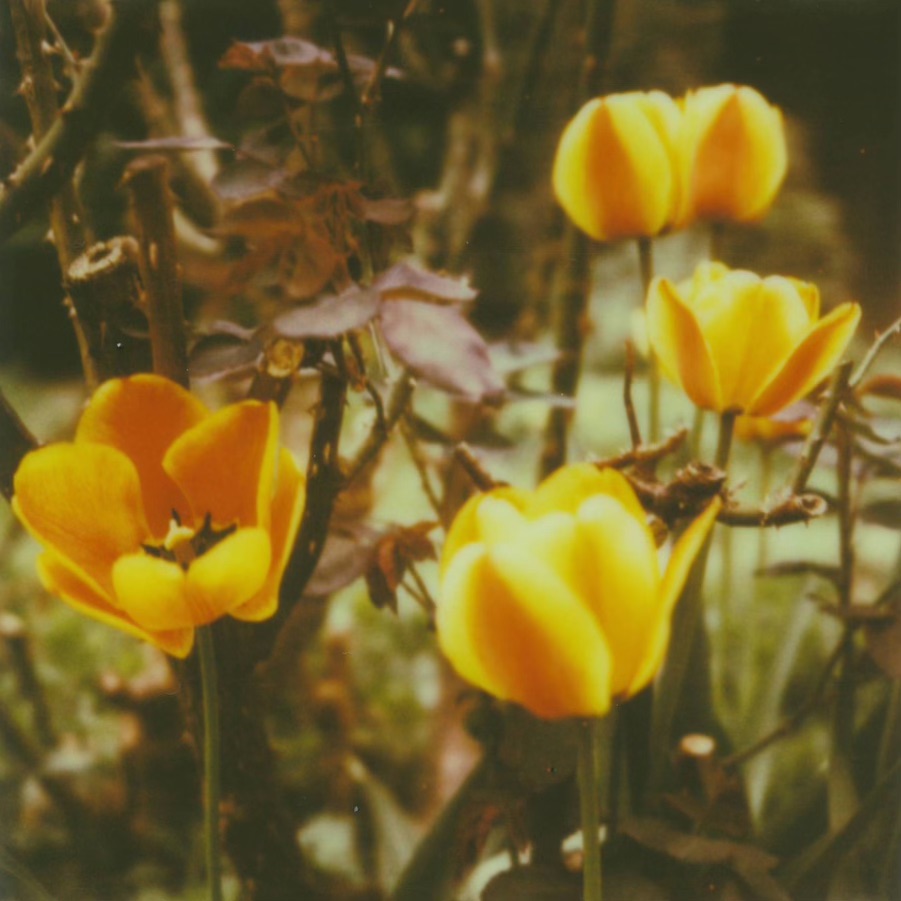
We’re only a few days away from the release of “wildflower,” Jackson Bybee’s sophomore album. I sat down with him to talk about the record, his creative process, and which new songs he’s most excited to release.
Jason: The theme of your first album, “Galactic Voyage,” was outer space — lots of cool, sleek sounds and a very ambient feel. With “wildflower” you are heading in a different direction thematically. Talk about the theme behind the new album and what made you pursue this direction.
Jackson: Well, I’m still writing songs the same way: layering and taking samples and creating loops to layer over one another. But I’m also being more cautious as to what instruments to use because I really wanted to convey a sense of spring and warmth throughout this album.
As soon as I was done with “Galactic Voyage,” I started thinking about a second album. I didn’t really know what direction I wanted to go, but I was inspired by the way nature presents itself. There was a lot of seasonal change taking place at that time, which was really cool. So I thought about “wildflower” as a possible direction. The opposite of space is earth. I liked the idea of calling it “wildflower” because on this album, none of the songs sound similar. On “Galactic Voyage,” a lot of the songs sound the same. But wildflowers bloom and grow on their own. They’re kind of unexpected.
Jason: Talk about the significance of the release date of this album.
Jackson: It comes out on April 22, 2022, which is Earth Day. Probably about two or three songs into the process of recording, I already had a title for the album and the creative direction set. The next thing to think about was the release date. I wanted to give myself plenty of time to work on this album. And so I started to look at it: if the album is about spring and summer and new life and wildflowers in bloom, then what date would fit with all of that? And I saw that April 22 was a Friday and it was Earth Day. It just made sense.
Jason: Let’s talk about some of the singles from “wildflower.” The first one you released was “forever ago,” right?
Jackson: Yes, “forever ago” is a funny song to me. I originally wrote and recorded it for a different project. But then I was talking to a friend and their birthday was coming up, so I told them that I would release a song to honor their birthday. But then I was like, “Wait, I don’t have a song ready.” But then I remembered “forever ago” and I already had it finished and I also had the artwork ready for it. So I released it and I started listening to it as part of “wildflower” and I really liked it. It seemed to fit. So “forever ago” is a really fun song and it was a great way to end the summer (of 2021), but it also was great to introduce people to the new direction I’m exploring with “wildflower.”
Jason: “Forever ago” is really unlike anything you’ve ever done. It has kind of a jazzy sort of vibe to it, isn’t that right?
Jackson: Yes, the funny thing to me about this album is that no two songs really sound alike. There are so many genres represented here. There’s the jazzy sound of “forever ago.” There’s the piano intro of “myth.” “Better days” is an 80s-inspired retro song. Creatively, it’s all over the map.
Jason: But that’s intentional, right? Some people might say that the album is lacking in coherency if it’s, as you say, “all over the map.” What would you say to that?
Jackson: I like the idea that the songs don’t sound the same because it matches the theme of wildflowers. Even though the songs don’t match the same genre, it still has the flow of warmth and spring-inspired music.
As we talked, the image of a flower bed emerged in our conversation. I got the distinct impression that Jackson thinks of each of these songs as a different flower in a different part of the same flower bed: red roses here, pink tulips there, yellow daffodils beside colorful pansies — each distinct in their own right, yet collectively sharing space to create a beautiful work of art. In that sense, Jackson agreed that “wildflower” is the most colorful project he’s completed to date.
Jason: Another single that you’ve released is “dream.” To me, this sounds like a montage moment in a movie. It’s very cinematic. Can you talk about this song?
Jackson: “Dream” is my favorite song on the album. It’s one of the last songs I made for the record. It just fit perfectly for that particular time of life and the album as a whole. It’s very refreshing to me and it sounds unique.
Jason: Can you talk about what was going on in your life at the time you wrote “dream?”
Jackson: So I recorded this song back in September 2021 and it was starting to turn cooler with fall weather just around the corner. It was a really fun time in my life because I love that time of year. I was also looking forward to fall break. But that’s also when I started meeting regularly with my good friend, Pat McRight. Pat and I started swapping ideas and collaborating toward the very end of the “wildflower” recording process. I was nearly done with the record, but he really pushed me to finish songs like “dream” and “summer nights.”
Jason: “Easy” is one of the really upbeat songs on this album. What does this song mean to you?
Jackson: This song has grown on me a lot. It’s an odd choice for a single because it’s not the most layered song but I feel like it’s a more subtle version of “Happiness,” which was the upbeat song on “Galactic Voyage.” I liked the idea of having a song in the middle of the album that’s more calming. People love a happy song.
Jason: And then there’s the title track, “wildflower,” which closes out the album. Why did you decide to make that the final track?
Jackson: I originally had another song to close the record, but eventually I decided that the title track would work better. It’s a bit of an odd choice, because this song is more on the techno side of things, but I also feel like it really embraces the sound of spring and, you know, a wildflower blooming.
Jason: For me, it’s a song that brings ALL of your music full circle. If you take “Galactic Voyage,” you have this journey through the universe. And now, with “wildflower,” there’s this journey through the earth. So it’s like we’re marshaling all our old friends to come together for this epic conclusion to both records. It has such a bold, confident sound to it. I love it.
So, what other songs are you excited about that we haven’t had the chance to talk about?
Jackson: I’m really excited about all of them. In all, I recorded about a hundred songs for this project, but these twelve are my favorites. But if I had to pick a few, “jealousy” is one that I love. I just really like it a lot. And “summer nights” was the last song I made for the album. I can’t wait for everyone to hear it.
Jason: Talk about “amoeba” for just a minute. Because for me, I thought this was really indicative of the kind of music you could be making as an artist: kind of a Bon-Iver-esque sort of sound.
Jackson: “Amoeba” is definitely the artsy song on the album, more experimental sounding. At first I was a little uneasy about putting it on the album, but I’ve really grown to appreciate it as a piece of art. I love that it’s not really defined by a single genre but it brings in aspects from several different genres.
I asked Jackson if he had any final words on the new album; here is what he said:
I’m really excited to see people’s reactions to this record. I love each song on this album and each time I play it for someone, they find new things to like about it that I didn’t even think of at first. I hope you like it!
“Wildflower” will release this Friday, April 22, 2022 — which is also Earth Day. You can find it wherever you stream music by searching for “Jackson Bybee.”


