2013: Looking Back

As I write this, there is exactly one hour remaining in 2013. I guess it’s human nature to look back and reflect on the year that has passed. To be honest, I’m glad to see this year draw to a close. It’s been a hard year. In February we were jolted by the unexpected death of Sunny’s brother, Roger. In July, we lost Sunny’s father, Alan, after a lengthy battle with ALS. To say we’ve been grieving this year would be an understatement. Loss is always difficult, but there’s nothing quite like the death of a family member. I suppose we’ve been even more aware of these losses these past few weeks as we’ve gone through our first holiday without them. We can look back to our Christmas pictures from last year and there’s Roger and Alan together.

This year, only a void.

But this has also been a year of unexpected blessing. Sunny and her entire family have shown such strength in the midst of these trying circumstances. They have honored these beloved men by faithfully holding to the promises of God, promises of resurrection and restoration. Anytime you learn those lessons, you have to count that as a blessing.

I’ve also been blessed to see my children grow in their faith this year. The questions they ask are sometimes difficult, even for me to answer. But they’re also asking the kinds of questions that let me know their faith is becoming their own. I’ve already resolved myself to the fact that my children will think about and practice their faith much differently than I do; and watching that come to fruition right before my eyes is something special. Lots of people are fearful about the future; I’m not one of those people. I’m excited about what God is doing to express His Kingdom through this next generation of disciples.

The lessons we’ve learned in 2013 will not be soon forgotten. As we shift into 2014, I’m praying for the year of the Lord’s favor. I’m praying that we’ll come to know Jesus more fully and more tangibly in the next 12 months. And I’m praying that our grief becomes a springboard toward greater faith, hope, and love.

Happy New Year

Posted in Disappointment, Faith, Family, General | 4 Comments

Things I Want To Remember, Vol. 24 (The Christmas Edition)

Over the years, I’ve used this blog as a repository for the crazy things my kids say and do, knowing that there’s no way I’ll be able to remember all of this stuff on my own. The last few days we’ve been able to enjoy a ton of family time, which means there’s been plenty of new stuff for my “Things I Want to Remember” list. Here are some of the highlights:

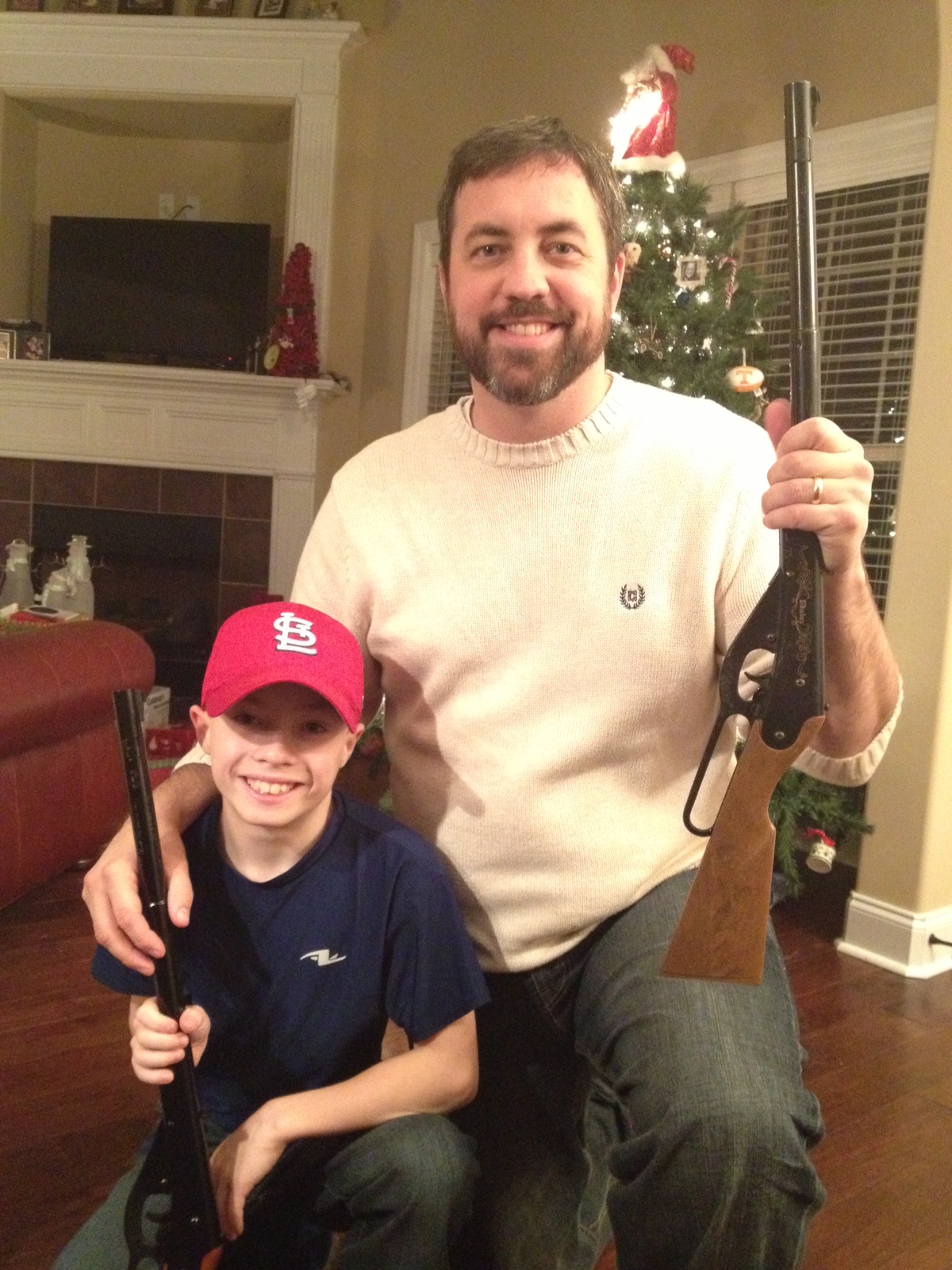
  • IMG_1214Joshua has been wanting a BB gun for about a year or more. Sunny and I finally decided that this Christmas was the perfect time. The box kinda gave it away — he guessed what it was as soon as he saw it “under” the tree! But no matter; it was the first gift he ripped into on Christmas morning and by that afternoon we were out in the yard testing it out on a cardboard “orc” target we’d created. We even dug out my old BB gun that I got from my parents about 30 years ago. I put a few BBs in and shot it a few times….and nothing happened. But after a couple of “warm up” shots, it worked just fine. We had a couple of hours of fun killing orcs and learning about gun safety. It was awesome.
  • The reason we chose to shoot at orcs? Christmas break also marked the first time for my kids to see the Lord of the Rings trilogy. I’ve been wanting to introduce them to LOTR for a year or so, but we thought Jackson was too young until recently. Over the last few days, we’ve made our way through all three films and I’m once again reminded of what an epic storyline Tolkien created. Joshua’s favorite is Legolas; Jackson vacillates between Frodo and an elf warrior; and Abby Kate pretends to be Arwen. For the last few years, I’ve had to answer all sorts of Star Wars mythology questions; now we’ve moved on to Tolkien, which I know very little about. I just know these movies are awesome and it’s been a blast watching them with my kids.
  • One of the things Abby Kate has been asking for all year is a guitar. At first we hoped it was just a fad, but she stuck to her guns all year long. Luckily, a good friend was willing to help us pick one out that would be “just right” for little fingers as we learn how to play. A few days before Christmas, our friends stopped by and surprised her with this special gift. The grin on her face was about a mile wide! Of course, her brothers have already “untuned” the guitar (that didn’t take long), so we know there will be plenty of things like this we’ll have to learn along the way. But I’m thinking about signing both of us up for guitar lessons; I think that’d be a really fun thing for us to do together.
  • Jackson has especially enjoyed the whole “Santa” thing this year. Part of Santa’s routine around here is dispatching an elf — Ollie — to come to our house the day after Thanksgiving. Ollie appears every morning in crazy places throughout the house, but thankfully he’s not one of those mischievous elves. Each morning, Jackson rips through the house to be the first one to spot Ollie. He left him a few notes this year, things to pass on to Santa. They were sweet notes, asking not just for presents for himself but being sure to mention a few things his brother and sister wanted as well. Jack also wanted us to be sure to have enough milk and cookies out for Santa and he gave his mother and me strict orders not to stay up too late…he didn’t want us to scare off the big guy as he made his way down the chimney!
  • This year we made it a point to see more Christmas lights than ever before. That led us to Tinsel Trail in Huntsville; Horseshoe Bend near Grissom; the Botanical Gardens; and the Opryland Hotel. Lots of fun family memories!
Posted in Blessings, Christmas, Family, Huntsville, Kids | Tagged , , , | Leave a comment

Your King is Coming

Rejoice greatly, O daughter of Zion!
Shout aloud, O daughter of Jerusalem!
Behold, your king is coming to you;
righteous and having salvation is he,
humble and mounted on a donkey,
on a colt, the foal of a donkey.
 

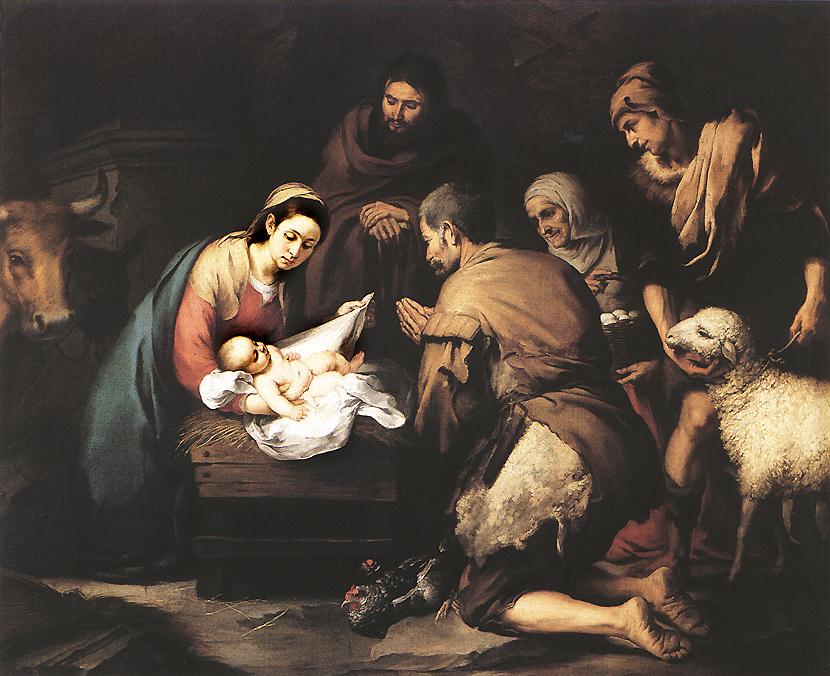
108murilTonight, much of the world will look back 2,000 years to reflect on the birth of Jesus in Bethlehem. The scene is well-rehearsed in our collective consciousness: the Christ-child, laid in a manger, surrounded by animals and shepherds and wise men, Joseph and Mary looking on with pride and wonder. The mystery of the Incarnation declares a bold truth, a God who is for us and with us, a God who does not flinch and recoil from our sinful flesh but instead takes it upon himself and enters into history in the form of a defenseless and vulnerable child. His arrival is heralded as good news for all men, the glory of God from the highest heaven.

And our imagination stirs at the thought: God, become one of us, come here with us.

Jesus Messiah, King of Kings and Lord of Lords.

donkeyjesusAnd tonight, with heart bursting full at this revelation, I want to turn my eyes toward the horizon, toward the moment of his re-entry into our world. The earliest followers of Jesus understood his final procession through the streets of Jerusalem as a fulfillment of ancient prophecy: Behold your king is coming to you; righteous and having salvation is he, humble and mounted on a donkey, on a colt, the foal of a donkey. Zechariah’s lyrics provide a lens for understanding Jesus as the Prince of Peace. He enters Jerusalem not atop a war horse, but riding a donkey, the symbol of a ruler coming in peace. His meek arrival matches his birth, a humble entrance.

Eugene Peterson writes about this humble entrance:

The world is used to battles fought with chariots and war horses, swords and spears, bows and arrows. Into that world came an unlikely King, riding on a donkey. Without weapons or war rhetoric. Coming not in retribution but in restoration. He came to the prisoners, bringing hope to their hopeless cells. To release them. To return them home. And to restore everything they lost.

That’s how our Savior came. And that’s how he characteristically comes. In goodness, gently setting things right in our lives. And in humility, not storming the gates of our cities but entering those gates in the most unpretentious of ways. He comes in peace. Releasing the part of us that has been held captive. Returning that part of us home. And restoring everything we’ve lost during those years of captivity.

As I write this on Christmas Eve, I write as one who is weary, one who longs for the humble King of angels to come that I might adore Him. I write as one who is weary of war rhetoric; it has become the discourse of our age. I write as one weary of the suffering and loss that seems to consume so many of the ones I love dearly. I write in anticipation of the arrival of the One, the Only One, who promises to make all things right and new and glorious in His timing and according to His purposes.

I write as one who longs to behold the coming of my King.

So rise up, you daughters of Zion.

Shout for joy, children of Jerusalem.

For our King will come soon, the righteous king who makes all things right.

Salvation is his reign; salvation is the language he speaks.

In humility, he offers peace to those who would acknowledge him.

Behold, our King.

He is coming.

Posted in Christmas, Devotional, Faith, Jesus, Scripture, Theology | Tagged , , | Leave a comment

Best Books of 2013

Time for my annual list of the best books I’ve read this year.

Every year, I set a goal to read at least 52 books – one per week. I finally met my goal in 2011; last year, I fell just a bit short at 42. This year I read even fewer – 25 by the time I wrap up the one I’m currently working on. In my defense, I read fewer books because I spent considerable time writing my thesis, which is a book-esque 145 pages. Also, much of my leisure reading time was dedicated to reading and re-reading several technical texts regarding the nature of qualitative research.

That being said, here’s the list. If you want to access previous lists, click the tab on the right labeled “Books” under Pages.

  1. The Passage by Justin Cronin. I’m not sure why I decided to read this book back in January. I don’t remember anybody recommending it to me and at over 800 pages, I sure didn’t choose it because of its brevity. Whatever the case, I’m really glad I did. Cronin has delivered a post-apocalyptic masterpiece on par with some of my favorite works of fiction, particularly McCarthy’s The Road and The Stand by Stephen King. This sweep of this novel is grand, the characters fully realized, and the plot is well paced. To write a detailed analysis is to reveal too much, and I wouldn’t want to spoil anything for you. But trust me: this book is epic. You should also know that this book is the first installment in a planned trilogy. See #5 on the list for more.
  2. Discourses by Epictetus. My doctoral thesis explores the nature of discipling in the ancient world, particularly the practices of the Stoic philosophers. As a result, I spent a lot of time reading Seneca and Epictetus this summer. Although his ideology is decidedly Stoic (and non-Christian), the Discourses offer a compelling moral imperative that parallels Jewish and Christian thought in many regards. My specific interests regarded Epictetus’ discipling methodology as giving contour to a modern understanding of the relationship between Paul and Timothy, but I also found Epictetus to be a wise guide, preaching patience and practice to his hot-tempered proteges. In an increasingly unphilosophic age, we could all benefit from reacquainting ourselves with this sage voice.
  3. The Power of Appreciative Inquiry by Dianna Whitney and Amanda Trosten-Bloom. For my thesis, I’ve also read a lot about Appreciative Inquiry, a social systems theory that emphasizes the power of positive questions as a means of eliciting an organization’s best memories and hopes. Sounds a bit abstract, and I suppose it is, but the implications are pretty powerful. Asking positive questions might be the first step in moving your family or organization toward a better future. Based on social constructivist theory, AI posits that organizations are maintained by their conversations; therefore, positive conversations — whether around the dinner table or in the board room — hold great potential for positive transformation. A great read.
  4. The Baseball Codes by Jason Turbow and Michael Duca. Baseball has always been a game governed by “The Code”, a confounding mass of unwritten rules and by-laws. Want to steal second when your team is already up by 5 in the 7th inning? Expect a fastball up near your chin in your next at-bat. This is an entertaining and enlightening read that any true fan will love.
  5. The Twelve by Justin Cronin. Part two in Cronin’s trilogy. Not quite up to par with the original, but it sets things up beautifully for the finale, set to be released this spring. This series is so good.
  6. Mighty Stories, Dangerous Rituals by Herbert Anderson and Edward Foley. This was an assigned reading for one of my final classes. It’s a work of practical theology, examining the relationship between story and ritual, particularly in the practicing life of the faith community. In particular, I thought the section on story was well written and insightful. Given our congregational emphasis on story this year, it proved to be extremely helpful. A solid read.
  7. Spy the Lie by Philip Houston, Michael Floyd, and Susan Carnicero. “Three former CIA officers teach you how to spot deception.” This is the tag line for this captivating look at deceptive behavior — and how to identify it. I was blown away by the stories these guys tell. Highly readable and interesting.
  8. Mike and Mike’s Rules for Sports and Life by Mike Greenberg and Mike Golic. You know what you’re getting with this one: an entertaining take on sports sprinkled with illustrations from the family lives of ESPN’s popular morning radio anchors.
  9. The Duck Commander Family by Willie and Korie Robertson. I enjoyed reading Willie and Korie’s story. A fun read.
  10. Letters and Homilies for Hellenized Christians by Ben Witherington III. This year, I also spent a ton of time reading through commentaries on the Pastoral Epistles. Witherington’s might have been the best of the lot.
Posted in Baseball, Books, Faith, Social Issues, Sports, The Story | Leave a comment

A Christmas Card

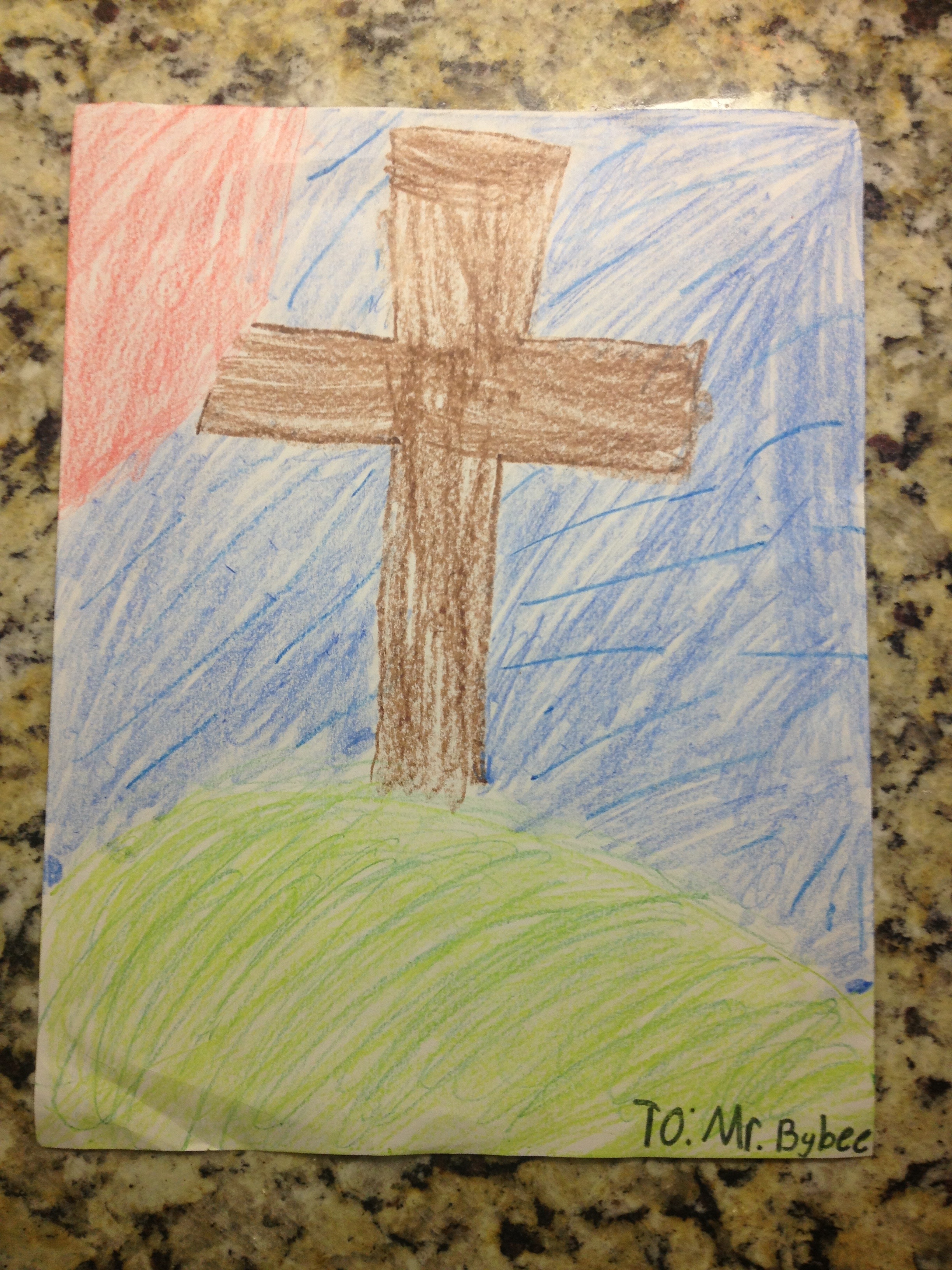
I received this card today from one of the girls at church. She made Christmas cards for every member of our family, including Sadie! Pretty cool! I love it, Jenna!

20131219-190309.jpg

Posted in Christmas, Church, Friends | Leave a comment

Best Albums of 2013

Time once again for my annual list of best albums. As you can tell, I’m something of a music junkie. Most years, it’s something of a challenge for me to narrow down my favorite albums. Not the case this year. For one, there simply weren’t that many great releases. But if the year was lacking in quantity, it more than made up for with quality. The top two releases on my list stand head and shoulders above the rest of the music landscape this year, in my opinion.

Disclaimer: You won’t find Kanye or Jay-Z on my list. Same goes for Miley, Robin Thicke, Lady Gaga, or Katy Perry. If 2013 proved anything, it’s that commercial success is usually a poor barometer of depth of artistic expression. Once again, just my opinion.

In 2013, I was moved by one album in particular, a recording that resonated with me as deeply as anything I’ve heard in the last ten years. More than anything else, my lukewarm assessment of most of 2013’s new releases is a testimony to the monolithic presence of this album. Simply put, I haven’t wanted to listen to much of anything else this year.

On with the list:

  1. Jason Isbell, Southeastern. jason-isbell-southeastern-reviewIn years past, some of my favorite albums have veered deeply into over-earnest territory: think Coldplay, The Avett Brothers, and Mumford & Sons. This collection of songs by Jason Isbell, formerly of Drive-By Truckers fame, provides something of a course correction. Southeastern is raw, honest, and unflinching. Recorded in the wake of Isbell’s alcoholism treatment, Southeastern emerges as a clear-eyed rumination on living with your demons, sometimes successfully, sometimes not. Take Live Oak, for instance, the heartbreaking plight of a pre-Civil War wanderer trying to outrun his ghosts. Isbell narrates, “There’s a man who walks besides me, he is who I used to be / I wonder if she sees him and confuses him with me.” Let’s just say the story doesn’t have a happy ending. Isbell laments self-inflicted isolation on Traveling Alone and Songs She Sang in the Shower, while Yvette gives voice to an impulse for vigilante justice in the face of domestic violence. Lyrically, this album is a master class in storytelling through song. The characters that inhabit these songs are fully realized, capable of both redemption and iniquity, virtue and vice. But it is the depth of emotion that makes this album so richly resonant. Cover Me Up has moved me more than nearly any song this year; it is Isbell’s ode to love that endures and lives to tell about it. That same sentiment moves through Relatively Easy, the album’s closer. By the time you arrive at album’s end, a refrain like, “Here with you there’s always something to look forward to / My lonely heart beats relatively easy,” doesn’t sound trite; it sounds believable. Warning: there are some songs on this album that may offend your sensibilities. And the backing band is merely pedestrian. But lyrically, you’ll not find a more affecting record this year. Download This: Cover Me Up, Relatively Easy, Traveling Alone, Stockholm, Live Oak.
  2. The National, Trouble Will Find Me. PrintFor years, The National have been putting out richly complex albums, songs that layer copious amounts of string, percussion and shimmering electric guitars atop Matt Beringer’s oaken baritone. This has actually been something of a problem for The National: the sonorous mass of sound requires multiple listens to unravel, which means each of their album’s becomes something of a slow burn. But the way I see it, each of these atmospheric songs represents a treasure trove for those who would invest the time. Beringer’s paradoxical poetry continues to control the narrative in a way that feels familiar: as with most National releases, there’s plenty of metaphor and existential angst and forlorn expression here. Trouble‘s cast of characters search for meaning while contemplating the fleeting nature of love and the omnipresence of grief. What’s different on Trouble Will Find Me is that these vignettes have never sounded so tuneful. If Isbell’s Southeastern is the most lyrically brilliant record of 2013, then Trouble is the most sonically arresting. Heavenfaced, Graceless, and Hard to Find are bound to infiltrate your brain’s playlist. This album might go down as The National’s finest and most commercially viable album. How’s that for irony? Download This: Heavenfaced, Graceless, Sea of Love, Hard to Find, Don’t Swallow the Cap.
  3. The Head and the Heart, Let’s Be Still. I was really excited about this release from one of my favorite up-and-coming bands. I think this album could benefit from a little more editing; it seems about 2 songs too many. That being said, this was a solid effort from top to bottom. They’ve retained their signature harmonies while expanding their musical palettes somewhat. I expect big things from these guys. Download This: Let’s Be Still, Josh McBride, Fire/Fear.
  4. Vampire Weekend, Modern Vampires of the City. I’ve seen this one showing up on plenty of Year End lists. I’ve been a fan of these guys for a long time, although I have to admit I’m not literate enough to get all of their lyrics. But I know this: this is the best batch of songs this band has put out to date. Download This: Dianne Young, Don’t Lie, Step.
  5. Arcade Fire, Reflektor. Although I love me some Arcade Fire and I was really looking forward to this release back in October, I’ll say the same thing I said about the new Head and the Heart album: sometimes less is more. Clocking in at 90 minutes, this double album is just too unwieldy. But there are some really great songs here. As always, Arcade Fire swings for the fences, this time with a Haitian-tinged dance record. This result is pretty impressive. Among the albums listed here, this is the one with the greatest potential to rise with repeated listens. Download This: Here Comes the Night, Reflektor, Afterlife.
  6. Kings of Leon, Mechanical Bull. Best pure rock album of the year. Supersoaker reminds you why you fell in love with this band in the first place. And Beautiful War is one of the best songs I’ve heard all year. A really fun listen. Download This: Beautiful War, Supersoaker.
  7. Daft Punk, Random Access Memories. I’m normally not this trendy, but I gave this album a listen back in the spring and I really liked it. I think Giorgio by Moroder is a theologically rich recording, one of the most eschatologically reflective songs of the year. But that one requires an in-person explanation. Just catch me sometime; we can discuss over coffee. Download This: Giorgio by Moroder, Give Life Back to Music.
  8. Josh Ritter, The Beast in Its Tracks. Ritter has settled into a nice little early career groove here. While he’s not quite the Millennial Bob Dylan everyone predicted, he continues to put out intellectually honest, imminently listenable folk-rock. Which is quite a feat in itself. On his latest, he sings of finding new love, as in A Certain Light and New Lover. In places, this album sounds like an extension of So Runs Away the World, which is a great thing if you ask me. Download This: Joy to You Baby, A Certain Light.
  9. The Civil Wars, The Civil Wars. It’s a shame these guys can’t work things out. Download This: The One That Got Away, From This Valley.
  10. The Lone Bellow, The Lone Bellow. It’s a shame these guys can’t get played on country radio. Better than 90% of the stuff that came out of Nashville this year. Download This: You Can Be All Kinds of Emotional, You Never Need Nobody.

Noticeable Absence: The Avett Brothers, Magpie in the Morning. I’m a big fan of the Avett Brothers. I’ve seen them in concert 5 or 6 times. So I mean this in the most constructive way possible. But this album is awful. Never should’ve been made. Other than Open Ended Life, there is nothing here worth listening to. And again, I’m a fan, which means I’m LOOKING for things to like about this album. But I can’t fake it. I’m just going to pretend this album doesn’t exist; instead, I prefer to think that they released Open Ended as a single on the yet-to-be-released Gleam III.

There you have it. That’s the list. I’d love to hear your thoughts.

Posted in Music | Tagged , , , , , , , , , , , | Leave a comment

Top Ten Influential Books

My friend Lane tagged me on Facebook and asked me to name 10 books that have profoundly influenced my life. I’m leaving out The Bible; it’s sort of the obvious choice, although I’m including one biblical book in my list.

Otherwise, here are 10 influential texts in no particular order:

1. The Road by Cormac McCarthy. Someday, I will make my sons read this book. It’s one of the best descriptions of what I feel for them as my boys. The whole notion of “carrying the fire” resonates deeply with me. This is far and away my favorite work of fiction.

2. Theology for the Community of God by Stanley Grenz. I’ve read it twice now; each time, I’m renewed in my understanding that we are fashioned in the image of God. This work of relational theology is great.

3. Team of Rivals by Doris Kearns Goodwin. I’m guessing I refer to this book once every couple of weeks. I think it’s one of the best books on leadership I’ve ever read. I often think about Lincoln and the diverse cast of characters that made up his inner cabinet. The fact that he got much of anything done in office is a testimony to his leadership.

4. The Book of God by Walter Wangerin Jr. Narrative theology put into practice.

5. You Lost Me: Why Young Christians are Leaving Church and Rethinking the Faith by David Kinnaman. Should be required reading for people of faith today. It helps us understand the Millennial generation a little more clearly.

6. The Drama of Scripture by Craig Bartholomew and Michael Goheen. Narrative theology explained.

7. The Great Omission by Dallas Willard. “Grace is opposed to earning but not effort.” That was a transformative statement the first time I read it.

8. Prophets by Abraham Joshua Heschel. Heschel helps us understand the pathos of God’s prophets.

9. The Sunflower: On the Possibilities and Limits of Forgiveness by Simon Wiesenthal. A rumination on the messy nature of forgiveness.

10. The Psalms. If I’m being honest, I used to be bored when I read the Psalms. Now it’s one of the most interesting portions of Scripture to me. You will find yourself on every page of the Psalms. They’re complicated, joyous, sorrowful — kind of like life itself. I love them.

Posted in Books | 4 Comments

The Story: The Power of the Empty Tomb

The Power of the Empty Tomb – John 20&21

Sunday morning. The hour of darkness recedes as the first ray of sunshine breaks upon the horizon. And with the breaking of the dawn comes a new reality as the breath of life once again fills the lungs of a crucified rabbi from Galilee. His lifeless body is animated once more by the force of His spirit; His heart starts beating again — a heart that hasn’t stopped beating to this very day. As Jesus climbed out of that tomb, He ushered in an entirely new reality – the Kingdom of God’s eternal, everlasting life was breaking into the present realm of human history! A new day was truly dawning. He arose! Jesus lives!

And the world is filled with countless examples of this reality, if we only have the eyes to see:

  • This week I was reminded how beautiful everything looks in the morning sun. I see the same view every day; yet it was simply glorious to see each morning, as if it had been made over once more.
  • Those of you who work in medicine and provide health care to people…you have a front row seat to witness this everyday. Each day, you get to bear witness to the human body’s power to heal. Isn’t it fascinating that you don’t bleed to death from a paper cut? Your body begins to work to heal itself whenever you get a cut – as people of faith, can you see the foreshadowing of the resurrection there?
  • With eyes of faith, we see these as declarations of the ultimate reality: the reality of the empty tomb!

The resurrection is the key event in all of human history. Timothy Keller writes, in The Reason for God: “If Jesus rose from the dead, then you have to accept all that he said; if he didn’t rise from the dead, then why worry about any of what he said? The issue on which everything hangs is not whether or not you like his teaching but whether or not he rose from the dead.”

The Gospel writers testify to the transformative power of the empty tomb.

John 20 & 21 – John gives us four resurrection stories, four encounters the risen Christ had with His followers. I believe these encounters speak a word to four areas in our lives where we are just desperate for resurrection power.

1.    The Empty Tomb Transforms…Grief Into Joy– John 20:10-18

Mary Magdalene is broken by grief. Her Jesus is gone; now someone has presumably desecrated his grave. So we find her outside the tomb, weeping, grieving.

Grief is a natural feeling. And it’s one that comes calling to each one of us. That’s why the conversation gets personal very quickly. I understand that. Each of us can recount the losses of our loved ones: the anniversaries, the birthdays, and the special occasions since they’ve passed.

But this is where John’s Gospel is so powerful; John is the one who records the raising of Lazarus in John 11. And in spite of the power of this miracle, the most famous passage of Scripture in this chapter is verse 35: Jesus wept. It may be the shortest verse in the Bible, but there are few verses that have as much depth. Shows us the very heart of Jesus — His humanity. Even though Jesus knows how all of this is going to end, it doesn’t change the fact that grief envelopes him.

But praise God for the empty tomb! Just see how the risen Christ affects Mary’s grief! Her grief turns to joy in light of the resurrection. The grave couldn’t hold him! And hope is renewed!

The only balm I know for the pain of grief and sorrow is the hope of someday. Listen to these words Jesus spoke just hours before his death: John 16:20, 22 – I tell you the truth, you will weep and mourn while the world rejoices. You will grieve, but your grief will turn to joy. Now is your time of grief, but I will see you again and you will rejoice, and no one will take away your joy.

We should take great comfort in the words of Jesus when he says, “I will see you again.” To those who are grieving, is there any better promise? And oh, how joyous will the reunion be when we see Jesus, when we see our loved ones again.

The empty tomb makes this promise: I will see you again. The empty tomb transforms our grief, replaces it with joy.

But this is just the first resurrection story John tells. The next is found in the next few verses:

2.   The Empty Tomb Transforms…Fear Into Peace – John 20:19-20

We find the disciples here with the door locked. As you read the Gospels, you get the impression that the disciples were pretty scared. They didn’t understand what had just happened. Jesus had been crucified and fear paralyzed them. This is easy to understand – they likely feared that the same fate was awaiting them.

Fear has blinded them. The most incredible thing in human history has just happened, but their fear won’t allow them to see it or understand it.

In 1978, a news report came out of Yugoslavia about a man named Janez Rus who lived in Germany during the days of Hitler. During that time he was a young shoemaker, looking to make his name prominent. Because of the power of the German government, he participated in public supports of the Nazi regime in hopes of gaining recognition. But after the regime fell, he realized the error of his ways, and out of fear, fled to his sister’s farm in Slovenia to hide. Fearing punishment for his pro-Nazi wartime involvement, Rus hid for the next thirty-two years, from 1945 to 1977, without so much as a visit to town or interaction with guests. In fact, Rus was so fearful that someone would recognize him that he refused to attend his mother’s funeral in 1966. After he was discovered, reporters interviewed him, wondering how someone stayed hidden for so many years. He told of how he allowed his fear to keep him at home, away from anyone outside his family.

For thirty-two years, this man went nowhere, visited no one, and lived a sad life of regret. Yes, the threat of retribution for his crimes was real, but he allowed his life to be ruled by the fear of what could happen.

What fear is paralyzing you? I think most of our answers to those questions are legitimate.

  • Job situation / economic strain / ongoing mess in Washington
  • Issues with family & friends
  • Past mistakes; fearful that these won’t be forgiven

What does the resurrected Jesus offer in place of fear? What antidote does he offer? Peace be with you! (20:19) Jesus speaks this peace into existence. Their fears were justified; most of the disciples were going to experience exactly the same kind of fate at the hands of their opponents. But the peace of Christ made all the difference in the world for them.

1 John 4.18, There is no fear in love. The empty tomb transforms our fear, replacing it with peace.

3.   The Empty Tomb Transforms…Doubt Into Faith– John 20:24-28

I’ve always felt that Thomas gets a bad rep. We call him “Doubting Thomas” because of one momentary lapse of demanding “proof” of Jesus’ resurrection. In his defense, he wasn’t there when all of other disciples had this great resurrection experience with Jesus. I guess I’ve always had sympathy for the guy; I just know I wouldn’t want to be remembered for my worst moment.

I’ve always been fascinated by this account when Thomas finally does see Jesus. The risen Christ implores Thomas to reach out and touch Him. It’s as if Jesus is saying to Thomas, “I know you need something a little tactile here, so go ahead. Whatever it takes for you to believe.” And I find this comforting, because there are times in my life when I, too, need a little tactile reinforcement from God. Sure, there are times when we accept His promises at face value, end of story. But there are other times, at least in my own faith, when I like to see God’s handiwork. I like to know He’s present. I like to see an answered prayer. Like Thomas, I have an inclination to want to see, to touch, to feel in order to believe.

But there’s also something beautifully understated in John’s retelling of the story. Although Jesus appears bodily to Thomas and beseeches Him to touch His side, Thomas never does. For Thomas, you get the impression that it was enough for Jesus to make the effort. Jesus appears, addressing Thomas’ doubts and reservations, and all Thomas knows to do is to fall to his knees and confess, “My Lord and my God!

Here’s the thing about doubt: everyone has doubts from time to time. I have doubts sometimes. I think to myself, “What if I’m wrong about all of this?” I have a lot of skin in the game, so to speak. And I think we all find ourselves in this place from time to time. So everybody has doubts – it’s what you do with that doubt that defines you.

The issue with doubt is what it prompts you to do; what you do with it. If doubt leads to unbelief, we’ve got a problem. But when doubt prompts legitimate seeking, then we’ve come to realize that God is able to handle our doubts.

Jesus is able to handle Thomas’ doubts. He doesn’t kick him out; He doesn’t berate him for how weak his faith is. Jesus offers Thomas the opportunity to come and feel the scars, to touch His side. And Thomas’ doubt dissipates and he, “Doubting Thomas”, makes one of the boldest proclamations about the identity of Jesus in all of the Gospels: My Lord and my God!

The empty tomb transforms our doubt, leads us to even greater belief.

4.   The Empty Tomb Transforms…Guilt With Grace – John 21:15-19

Our last image of Peter prior to the death of Jesus is not a pretty one. The crowds are pressing in, questioning him about his involvement with Jesus. Somebody comments on his accent, a servant girl tells the crowd that he’s lying, and Peter begins to curse. Just as Jesus had predicted, Peter denies Jesus three times that night. Luke’s Gospel says the rooster crowed, the Lord turned and looked directly at Peter, and he went outside and wept bitterly.

In this episode, Jesus has some unfinished business to handle with Peter. Here Jesus reverses that denial by giving Peter the opportunity to affirm three different times his love for Jesus. Jesus asks three times, “Do you love me?” And Peter replies three times, “Yes, Lord. I love you.”

And then Jesus says something very interesting: “Follow me!” These are the same words he used in the beginning when He called Peter. He uses these same words now to convey grace to Peter. “Continue following me, Peter.”

Guilt can be a powerful thing. It accrues over time. Carrying around the weight of something we committed years ago. Peter had been carrying around this weight – he wept bitterly over denying Jesus. What in your past causes you to weep bitterly? What guilt are you carrying around with you?

What are the dead areas of your life? Grief? Fear? Doubt? Guilt? In each area, the resurrected Christ brings healing and restoration.

The eternal message of the empty tomb is this: He is Risen!

Posted in Devotional, Faith, The Story | 2 Comments

The Story: The Greatest Command

The Greatest Command – Mark 12:28-34

Question: Do you believe Jesus knows what He’s talking about? Do you think He knows what He’s talking about when He tells His followers about the way in which they ought to live? When Jesus says, “This is important,” does that get your attention? Do you believe Jesus knows what He’s talking about?

I believe He does. And in Mark 12:28-34, He gives us what amounts to a four word dissertation on ethics, worship, & the meaning of life.

Love God. Love Others.

It’s as simple as that. The question is: do you believe him?

______________________

Now, his reduction of the commands of God may be simple, but we shouldn’t mistake this for simplistic. I believe living this way – with a primary commitment to love God with all your heart, soul, mind, and strength and a commitment to love your neighbor as yourself – is incredibly complex. It’s challenging. It’s hard. But I also believe it is truly the only way to live.

Because Jesus knows what He’s talking about. Because He’s willing to live it out himself.

______________________

A teacher of the law approaches Jesus; asks him, “Of all the commandments in the Torah, which one is the greatest?” This is a common sort of thing. In Jesus’ day, Jewish rabbis would spend a lot of time discussing and prioritizing the laws in order of importance. 613 OT Laws; rabbis were always debating on how to condense them. This is the equivalent of “talk radio” in his day; today we discuss trivial things like Who is the greatest NFL QB of all time, whereas 1st century Jews debated this kind of thing. (The answer is Joe Montana, by the way.)

Jesus replies to the question with what would have been a standard answer in his day. He recites The Great Teaching: Hear, O Israel: the Lord our God, the Lord is One. This is the core confession of Judaism. There is no God but Israel’s God. And this God requires complete devotion: And you shall love the Lord your God w/ all your heart and w/ all your soul and w/ all your mind and w/ all your strength. Love and devotion and worship for YHWH are at the heart of Israel’s identity.

For Jesus, a 1st century Jewish Rabbi, to affirm Shema of Deut. 6 as the Greatest Command would have been no big news.

But what Jesus does next is certainly shocking, even revolutionary.

Jesus takes another passage of Scripture and puts it in the same rarified territory as Shema. The scribe comes to Jesus asking for ONE command and receives TWO commands that are inseparably linked. The second command is this: Love your neighbor as yourself. There is no commandment greater than these.

Leviticus 19:18 is the rather obscure verse Jesus quotes here. When you read it in context, it’s a part of a section of seemingly random OT laws.

The previous verses in Leviticus contain laws like this: Do not hold back the wages of a hired man overnight. Do not curse the deaf or put a stumbling block in front of the blind.

The next verse: Do not mate different kinds of animals. Do not plant your field with two kinds of seed. Do not wear clothing woven of two kinds of material.

The command to love your neighbor as yourself is kind of stuck in here with these kinds of seemingly random commands.

But Jesus dusts off this teaching and sets it right alongside Shema and says, “These are the most important commands in the world.”

So again, you have to ask yourself: Does Jesus really know what He’s talking about? Does He know what He’s talking about when he tells us to love God and love others?

The Hinge of Love

OIL_RUBBED_BRONZE_EXTERIOR_SINGLEThink of an ordinary door hinge. Like any door hinge it’s made up of two complimentary but interlocking pieces. Without these hinges, the doors in our homes would be basically useless. Walk through your home sometime and notice how many hinges there are: cabinet doors, closet doors, front door, back door…they each require two parts. One hinge part won’t suffice. You need two hinge pieces for a door to work.

Let’s think of these commands as the hinges upon which the entire Bible rests. Jesus distills the 613 OT Laws into these two commands, these hinges of love. In Matt. 22:40, Jesus says All the Law and Prophets hang on these two commands. Without these two hinges, the door doesn’t hang right.

These two commands connect the door of Scripture with the doorframe of our lives.

Let’s talk about these two a little bit more; both crystallize in the life of Jesus:

First Hinge: Love God

Two points to make here:

I. Jesus shows us what it looks like to love God with heart, soul, and strength.

In Deuteronomy 6, the Bible emphasizes the unity of God — God is one. The oneness of God is matched by the unity and totality of devotion He demands. Jesus transports this meaning into the NT by affirming the primacy of love for God. There is one God…and He doesn’t like to share you with anyone or anything else.

Your inner devotion should cause God to be loved through you.

  • HeartThe seat of decision-making in Jewish understanding. To love God with one’s whole heart is to love him by the decisions we make. A question to keep before us as we make our decisions: “Which decision expresses the most love for God here?” Jesus does this. Loving God through our inclinations can be a tremendous challenge. Our good desires, those are usually God honoring. It’s those evil desires that we have to harness; channel those toward more ethical actions.
  • Soul The seat of life and existence in Jewish understanding. The Hebrew word in Deut. 6 is nephesh, which has a variety of meanings: soul, life, existence, etc. Your very existence, your life, is an expression of love to God. In essence, the text is saying we should have a willingness to die rather than betray God…which is exactly what Jesus will do at the cross. This is what it means to love God with one’s nephesh or soul.
  • Might / Strength – We always picture someone’s muscles; loving God until you’re completely spent. But they say the word also implies the idea of resources, externalities. The idea here is to love God with everything available to you, things such as your wealth, relationships, influence, your time, etc. We are to love God with every resource He’s given us.

Jesus models this kind of love for God; He completely loves God with heart, soul, and strength.

II. Jesus shows us what it looks like to love God as “Abba, Father.”

Mark 14:36, at the critical hour at Gethsemane, Jesus prays to God, refers to Him as “Abba”, the Aramaic term for “Father.”

Some have tried to argue that this is similar to “Dada”, baby talk; that may be close, but it’s worth noting that this is a term that adults would use in reference to their fathers as well. Jesus isn’t speaking baby talk or gibberish.

In prayer, Jesus uses family language to describe his relationship with God. “Father” strikes the perfect balance between intimacy & authority, reverence, & warmth. Balance between respect and love.

There are plenty of ways to address God in prayer found in Scripture:

But this is the signature term Jesus uses in prayer to God: Father. In fact, other than His cry on the cross (“My God, my God, why have you forsaken me?”), Jesus always addresses God with the term “Father.” And He teaches us to pray in the same way.

Second Hinge: Love Others

Two points to make here as well:

I. Jesus shows us that love for God is linked with love for other.

The command to “Love your neighbor as yourself” is mentioned eight times in the Bible: once in the OT, seven times in NT. (Lev. 19:18; Matt. 19:19; Matt. 22:39; Mark 12:31; Luke 10:27; Rom. 13:9; Gal. 5:14; James 2:8)

“Love your neighbor as yourself” is the core Christian ethic for relating to others. Jesus places it in the same neighborhood as the most sacred OT teaching.

The Apostle John helps connect these two even more when he writes about “love” in the letter we call 1 John:

1 John 4:8, Whoever does not love does not know God, because God is love. If you claim to know God, you’d better demonstrate it by a life of love.

1 John 4:20, Whoever claims to love God yet hates a brother or sister is a liar.

Love All. Serve All. Opportunity for these to touch the ground on Service Day a month from now. Hope it’s on your calendar: Oct. 20th

II. By telling us to love God and love others, Jesus is emphasizing the primary importance of our relationships.The most important thing in life is your relationship with God. A close second is your relationship with others. Everything else falls in line behind these two.

Quote in Philip Yancey’s What’s So Amazing About Grace: You really only love God as much as you love the person you love the least.”

Love for God should be forming me into a more loving person, someone whose relationships are saturated with selfless agape love.

Henri Nouwen: “Anger is what we use when we run out of love.” Let’s not run out of love. As the Hebrew writer says, “Let brotherly love continue,” (Heb. 13:1).

In these two commands, we see the hinge upon which all else depends.

In Jesus: the cross- centered life: both horizontal and vertical dimension here:

  • The vertical component is primary: your relationship with God.
  • But the horizontal dimension is right up there: your relationship with others. The idea is this: your relationship with God should form you into a person who expresses love for others.

But this Way of Jesus — this Way of loving God with all that is within me and all that is without me; this way of loving others with a relentless, unquenchable love; this way of loving others the way God loves them — it continues to challenge me. I’m more and more convinced that this Way leads to only one place: the cross. You can’t love like this without it leading to death.

Posted in Devotional, Jesus, Love God, Love Others, Mark 12, Scripture, The Story | Tagged , , | Leave a comment

The Story: Jesus Is

Jesus Is __________ – Mark 8:27-38

A few years ago in Seattle, a church launched a unique marketing campaign. They rented billboards, made up bumper stickers, produced bus signs, etc. And they all contained a simple message:

“Jesus Is _______________.”

The leaders of this church decided that they didn’t just want to invite people to come to their church. Instead, they had one simple goal: to get people to think more about Jesus. This church was really convicted that this was part of their mission in their city. And so they did this, generated a lot of buzz.

Simultaneously, this church launched a website and encouraged people to log on and write their own responses, to “fill in the blank” posed by their marketing campaign.

By last count, the site had generated over 1.5 million hits. People coming out of the woodwork writing their response to this really simple question. Most of the responses are written by passionate followers of Christ; “Jesus is Grace” or “Jesus is Lord”, etc. As you might expect, some of the responses are just bizarre; and some of them are downright blasphemous, hateful, even perverted.

But if this campaign proves anything it’s this: Jesus always gets a reaction out of people.

I want to ask you how you’d go about filling in the blank.

“Jesus Is _____________.”

How would you answer? What goes in the blank? In our study of The Story, this is the ultimate question. Who is Jesus?

This question and it’s answer is at the exact center of the Gospel of Mark. Literally, it is at the center of Mark’s gospel, which is instructive for us. I believe this question should remain at the center of our identity as followers of Jesus.

Mark 8:27-38

The setting is Caesarea Philippi, a city that had a history of worship extending back many centuries when it was a regional center for Baal worship; later identified with the Greek god Pan. It was a hub of idol production; literally, it was the place where God was “made” for many people. In the Roman Imperial period, it was renown as a major center for Caesar worship. In the civil religion of Jesus’ day, Caesar was honored here as Lord, Savior, and Son of God.

Against this backdrop, Jesus begins some vital discussion with his disciples regarding the way He’s being perceived by the crowds:

“What’s the word on the street? Who do people say that I am?”

In those days, the answers were varied: John the Baptist. Elijah. One of the other prophets. All of these heroes are dead; so there’s this prevailing belief that Jesus is one of the superstars of Israel’s story come back to life. (What’s ironic is that by the time this actually happens, almost everyone has deserted him.)

Opinions are varied in that day as to who Jesus is; the same could be said of our day.

But Jesus presses in after asking this first question, now raising the stakes by asking, “How about you all? Who do you say that I am?” The emphasis is on the plural “you” in Greek. “What do you all have to say?” This question is much more personal, more direct. You can’t borrow someone else’s answer here; you can’t just recite what someone else has said.

And this is the ultimate question: Who do you say that I am? It’s probably the most personal question we can ask, because how you answer determines everything about you.

Peter speaks up on behalf of the group, gives the answer that becomes the bedrock principle around which the church is formed: You are the Christ (Messiah). The word Christ / Messiah means anointed one. In Jewish tradition, the idea of anointing was frequently associated with the offices of:

  • prophet (1 Kings 19:16 – anointing of Elisha; Isaiah 61:1 – “The Spirit of the Lord is upon me, the Lord has anointed me to preach good news to the poor.”)
  • priest (Exodus 40:13-15; Leviticus 6:20; priests are anointed for service.)
  • king (1 Samuel 16 – Samuel anoints David; Ps 2 – Royal Psalm, affirms the king of Israel as “the Lord’s Anointed”).

Peter is affirming the fulfillment of these offices in the person of Jesus.

There have been many prophets, priests, and kings, but to refer to Jesus as the Messiah means…

  • To see Him as the definitive spokesperson for God (prophet)
  • To see Him as the one who reconciles humanity to God and mediates the forgiveness of sin (priest)
  • And to see Him as the one designated by God to represent God’s sovereign rule (king)

Some would have no problem saying Jesus is a prophet; in our age of plurality where tolerance is the highest virtue, that sort of statement is probably going to become even more common. But to say He is the spokesperson for God? Or that He’s the sole mediator of sin? Or that salvation is found in no one else? That’s so exclusive! But that’s precisely what the title means!

If we are willing to make Peter’s confession, then we are saying Jesus the Messiah is God’s definitive spokesperson in our lives.

  • His Word has the ultimate authority over my life.
  • Not the prevailing winds of culture.
  • Not popular consensus.
  • Not my own whimsical desires.
  • Jesus Christ, the Word become flesh, has become the ultimate authority in my life if I declare Jesus the Messiah.
  • “The words I have spoken to you are spirit and they are life,” (John 6:63). His words don’t simply contain life; they are life.

Likewise, if we are willing to make Peter’s confession, then we are saying Jesus the Messiah is the definitive mediator between a holy God and unholy humanity.

  • There can be no salvation apart from Jesus Christ. Salvation doesn’t come through anyone else; salvation comes through Jesus.
  • To claim Jesus as Messiah implies that there is a gulf between us and God; we need someone to mediate our sin. We need forgiveness.
  • You cannot earn it, buy it, deserve it, merit it.
  • We are totally dependent upon Jesus for forgiveness of sin.
  • There is one God and one mediator between God and men, the man Christ Jesus, who gave himself as a ransom for all men (1 Tim. 2:5).

And finally, if we are willing to make Peter’s confession, then we are saying Jesus the Messiah is worthy to be crowned King of Kings and Lord of Lords.

  • We follow Him and Him alone. There can be no other. No room in our hearts for multiple gods, multiple lords.
  • And our confession of His sovereign rule in the present is merely an advance declaration of the glory to come, when God exalts him to the highest place and gives priority to his name, for “at the name of Jesus every knee should bow, in heaven and on earth and under the earth, and every tongue confess that Jesus Christ is Lord, to the glory of God the Father,” (Philippians 2:10-11).

So, back to our blank: What are you saying about Jesus these days?

How are you filling in the blank?

Posted in Devotional, Faith, Jesus, Scripture, The Story, Theology | Tagged | Leave a comment